
What Is Dysbiosis? A 4-Step Approach
Dysbiosis is commonly described as an imbalance of microorganisms, particularly within the gut. But what does it truly mean to be imbalanced? Dysbiosis refers to the overgrowth of both commensal and opportunistic bacteria.
GASTROINTESTINAL
Sheryl Aguelo
6/8/20261 min read
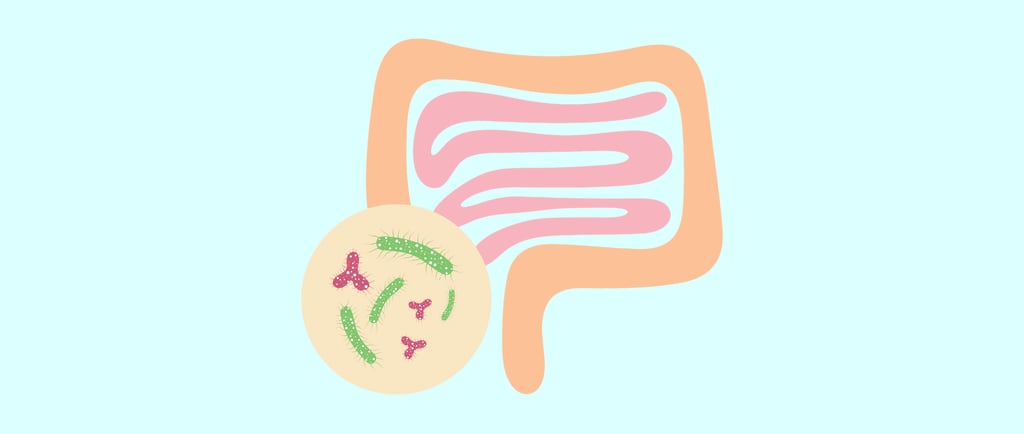
The term dysbiosis was first introduced by Dr. Elie Metchnikoff in the early 20th century, where he identified it as the root cause of many diseases.
Below is the 4-Step Approach to Dysbiosis:
Remove:
Eliminate levels of bacterial overgrowth
This step incorporates antimicrobial herbs such as oregano, goldenseal, garlic, cinnamon, and various species of berberis. Garlic is bacteriocidal against Staph aureus, E. coli, Salmonella, Rotavirus, Candida albicans, and Giardia. Cinnamon oil significantly reduced the intracellular pH of E. coli O157:H7 and damaged its cytoplasmic membrane.
Replace:
Replenish or stimulate the production of digestive factors
This step entails utilizing supplements as replacements when there are low levels of digestive factors or enzymes, including hydrochloric acid, pepsin, bile salts, intrinsic factor, and pancreatic enzymes. Betaine HCl is used for low stomach acid. Be cautious of using Betaine HCl if you have an ulcer. Beet root stimulates the production of bile and supports liver function.
Reinoculate:
Reintroduce probiotic flora
This step involves introducing probiotic foods or supplements following antimicrobial therapy. Colonizing the gut with beneficial bacteria primes the mucosal immune system. This colonization by commensal bacteria creates a low level of inflammation, which is important for the development of immune tolerance. A gut-healing dose of probiotics is at least one billion colony-forming units (CFU).
Repair:
Regenerate or heal gastrointestinal lining
This step focuses on utilizing nutrients that aid in the repair of the intestinal lining. Glutamine is the top nutrient to consider. Since cabbage is rich in glutamine, consuming cabbage juice is beneficial. Look for a supplement known as L-glutamine. Other helpful options for healing the gastrointestinal lining include aloe vera and slippery elm.
Note:
Avoid goldenseal if you have an ulcer. Some people react badly to oregano because it's a strong antimicrobial that can affect the gut lining. In such cases, focus first on healing your gut lining for 2 to 4 weeks or more before using strong antimicrobials again.
DaVeganry
Empowering your health through holistic functional medicine.
DaVeganry
Stay Updated
daveganry@gmail.com
© 2025. All rights reserved.