
Vitamins That Support Energy Metabolism and Reduce Fatigue
B vitamins and minerals such as iodine, chromium, and other trace elements are especially important for energy metabolism. Inadequate or excessive intake, as well as poor absorption of these micronutrients, can disrupt neurological function, thyroid hormone regulation, and blood glucose control.
NUTRITION
Sheryl Aguelo
5/4/20263 min read

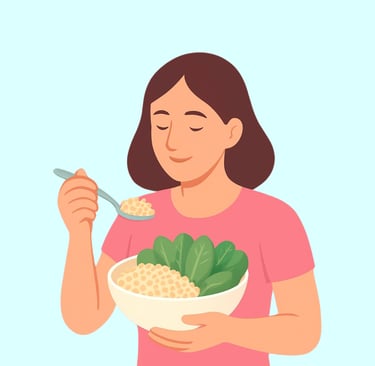
The body converts the food we consume into energy that cells can use for various functions. This process begins in the digestive system, where organs such as the mouth, stomach, pancreas, and liver produce enzymes that break down food into simpler nutrients. Micronutrients, including vitamins and minerals, play a crucial role by supporting the enzymes that drive the chemical reactions involved in energy metabolism. Through metabolism, cells then extract and use energy from these nutrients.
B vitamins are particularly important for energy metabolism. They generally have high bioavailability, with about 50%–90% of dietary intake being absorbed. B vitamin deficiency is commonly caused not due to low intake, but by damaged intestinal lining and an imbalanced gut microbiome, which impair proper absorption.
Vitamin B1 (thiamine) helps release energy from carbohydrates and is involved in chemical reactions that produce neurotransmitters. Deficiency, known as beriberi, can cause weakness and irritability. Good sources include whole grains, oranges, organ meats, and peanuts.
Vitamin B2 (riboflavin) helps break down fatty acids and also has antioxidant functions. Deficiency may lead to inflammation of the mouth and various eye disorders. It is found in cereals, grains, eggs, meat, asparagus, broccoli, and spinach.
Vitamin B3 (niacin) supports the metabolism of carbohydrates and fats to produce ATP. Deficiency can cause poor appetite, weight loss, and weakness, and may lead to a skin condition called pellagra. Sources include tuna, poultry, peanuts, fish, cereals, and asparagu
Vitamin B5 (pantothenic acid) is needed to form coenzyme A, which is essential for releasing energy from carbohydrates, fats, and proteins. Deficiency is rare and often difficult to recognize. Sources include sunflower seeds, mushrooms, peanuts, and eggs.
Vitamin B6 (pyridoxine) is important for the metabolism of carbohydrates, proteins, and fats. It also plays a role in homocysteine regulation, neurotransmitter production, and the formation of white blood cells and hemoglobin. Deficiency can affect the cardiovascular, immune, and nervous systems. Sources include animal products, potatoes, spinach, bananas, and cantaloupe. Excess intake may cause nerve damage.
Vitamin B7 (biotin) is involved in the synthesis of glucose and fatty acids and in the breakdown of amino acids. Deficiency may cause skin inflammation, nausea, vomiting, muscle pain, and weakness. Sources include egg yolks, peanuts, and cheese.
Minerals involved in energy metabolism include iodine, chromium, and trace elements such as manganese and molybdenum.
Iodine, together with the amino acid tyrosine, is needed to produce thyroid hormones. These hormones regulate metabolic rate and support growth and development. Deficiency can lead to an enlarged thyroid gland, known as goiter. Excess intake above 1.1 mg per day may inhibit thyroid hormone production and is sometimes seen in people who consume large amounts of seaweed. Common sources include iodized salt, dairy products, and grains.
Chromium helps enhance the action of insulin and plays a role in blood glucose regulation. Deficiency may result in poor blood glucose control and increased cholesterol and triglyceride levels. It is most often seen in individuals receiving long-term intravenous nutrition. Toxicity is rare but may occur in people exposed to industrial waste or certain occupational settings, such as painting. Sources include meat, whole grains, eggs, mushrooms, nuts, beer, and spices.
Manganese is required for enzymes involved in metabolism and antioxidant functions, as well as for bone formation. Deficiency is very rare in humans but has been observed in animals, where it affects brain function, bone development, and reproduction. Good sources include nuts, rice, oats, beans, and green leafy vegetables.
Molybdenum is a component of enzymes involved in the metabolism of sulfur-containing amino acids. Deficiency has not been reported in healthy individuals but occurs in those receiving prolonged intravenous nutrition. Symptoms can include increased heart and breathing rate. Sources include milk, dairy products, beans, whole grains, and nuts. Toxicity in humans is uncommon.
Vitamins and minerals are essential for proper enzyme function in the metabolism of carbohydrates, proteins, and fats. Inadequate intake or poor absorption of these micronutrients can impair neurological function and slow metabolism, which can lead to fatigue and weakness. Proper chewing, a balanced gut microbiome, and consuming adequate and appropriate amounts of food support better absorption of these nutrients. Conditions that affect intestinal integrity, such as increased gut permeability (“leaky gut”), can contribute to malabsorption.
DaVeganry
Empowering your health through holistic functional medicine.
DaVeganry
Stay Updated
daveganry@gmail.com
© 2025. All rights reserved.