
Juicing Basics Quick Guide
Juicing is a good way to add nutrients to your diet alongside solid foods because it helps your body absorb them more quickly.
NUTRITION
Sheryl Aguelo
2/16/20262 min read
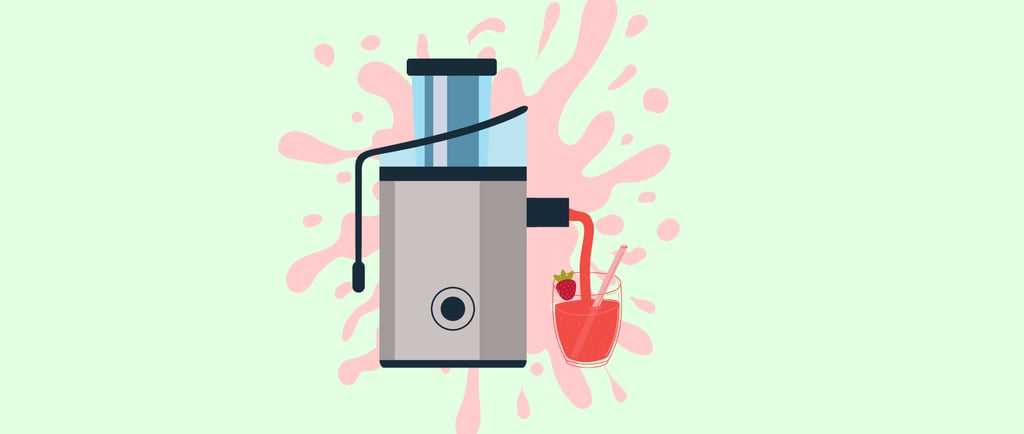
Our digestive system functions like a juicer; it does not absorb nutrients from the food we eat unless it is in liquid form. That is why incorporating juicing can be a good idea if you want to live a healthier life or heal a chronic illness.
Choosing the Right Tools
A juicer is different from a blender. A juicer extracts the fiber, so once you consume the juice, it goes directly into the bloodstream and is absorbed, skipping the digestion process. A blender retains the fiber, so the blended mixture undergoes the digestion process. If you have problems with digestion, the nutrients from blended fruits and vegetables may not be fully absorbed.
Centrifugal Juicer
It is a fast way to juice fruits and vegetables, but it does not produce enough juice from green leafy vegetables.
Masticating Juicer
It works more slowly but produces higher-quality juice, especially from green leafy vegetables.
Blender
It works best when making a smoothie.
What to Juice and What Not to Juice
Top picks for juicing are apples, carrots, pineapples, and oranges. Fruits and vegetables that are better suited for blending—because they do not yield much juice—include avocado, coconut meat, green beans, mushrooms, potatoes, eggplant, okra, and squash.
When to Drink the Juice
Juice retains its maximum freshness and potency for only a short time—about 10–20 minutes. If you delay drinking it, the juice begins to oxidize. After about 20 minutes, many of the enzymes and nutrients start to break down and diminish.
Can fruits and vegetables be combined in a single juice?
Yes. Solid fruits and vegetables have fiber and should generally not be combined in a single meal. Vegetables are digested first, while fruits take longer due to their sugar content. This delayed digestion can lead to fermentation in the stomach. However, when juiced, the produce bypasses the usual digestive process and its nutrients are absorbed directly into the bloodstream, making it safe to combine fruits and vegetables in a single juice.
Is it healthy to consume more fruit and vegetable juice than solid foods?
No. The human body needs a variety of whole foods, including fruits, vegetables, nuts, and seeds. Protein from beans, grains, and nuts is essential for tissue repair and supporting the immune system. While fruits and vegetables contain some protein, it is not enough to meet your body’s needs. Skipping solid foods can also reduce stimulation of the gut and impair healthy bowel movements.
The question then becomes: how do you know if you’re eating the right amount at each meal? A simple guideline is that your meal should fill about 75% of the size of your fist, which roughly corresponds to the stomach’s capacity. Why only 75%? The remaining 25% allows space for digestive enzymes to work effectively. Juicing is a great way to incorporate nutrients into your diet alongside solid foods, but it should not be used as a replacement.
DaVeganry
Empowering your health through holistic functional medicine.
DaVeganry
Stay Updated
daveganry@gmail.com
© 2025. All rights reserved.