
Iron Overload Without Symptoms: What Tests You Need
Excess iron is toxic to our body and damages our tissues and organs. Checking serum ferritin levels is important in both asymptomatic and symptomatic patients to accurately assess iron status and guide appropriate treatment.
GASTROINTESTINAL
Sheryl Aguelo
6/29/20262 min read
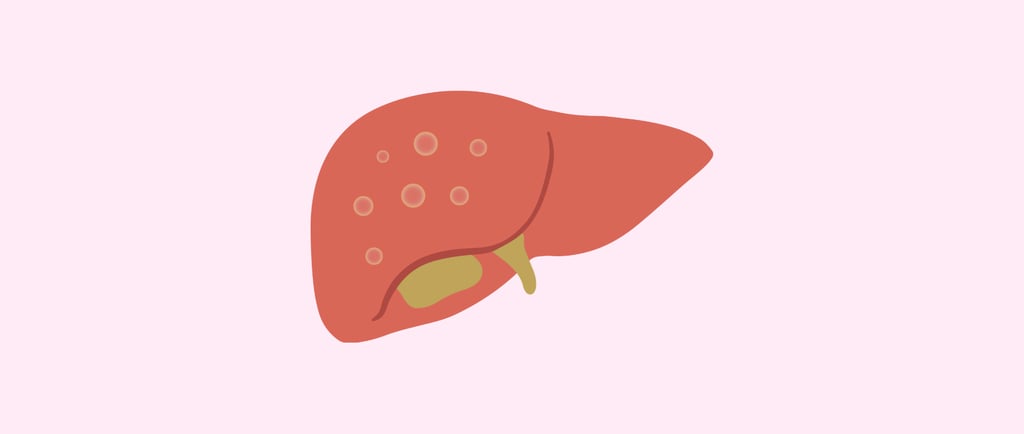
It is very important to perform serum ferritin test on a routine basis for asymptomatic and symptomatic patients. Iron deficiency is very common even among non-anemic patients. Iron overload is very common to patients with other health disorders such as joint pain, diabetes, heart failure, and liver disease. ≥ 800 mcg/L iron level is considered iron overload, while < 20 mcg/L is iron deficient. The normal iron value is 40-70 mcg/L. Iron overload or excessive iron is toxic to our body, similar to mercury toxicity.
There are two routes of iron overload, environmental and genetic. In environmental route, excess iron catalyzes oxidative stress, which damages body tissues and structures in which the iron is stored. In genetic route or genetic hemochromatosis, large amount of iron is absorbed from the gastrointestinal tract and deposited in parenchymal tissues of organs such as heart, liver, pancreas, pituitary gland, and joints.
It is challenging to identify whether a patient has normal iron status because many are asymptomatic. Many patients with iron overload do not show symptoms. Most patients who present the problem are associated with diabetes, musculoskeletal disorder, heart failure, and liver disease. The classic presentation of the fully developed disease is “bronze diabetes” with arthritis and cirrhosis. Other patients show symptoms like fatigue, chronic abdominal pain, increased pigmentation of skin, endocrine disorders, and neurologic disorders.
Serum ferritin is the best test for environmental iron overload. Transferrin saturation is a common test for genetic iron overload (hemochromatosis). Radiographic findings are also helpful to identify iron overload, especially for patients with osteoarthritis.
Diet modification is usually effective treatment to almost all kinds of diseases. However, this is inefficient for treating patients with iron overload. Iron-removal therapy with phlebotomy is the best treatment for this disorder, and there is no substitute for this kind of therapy. This therapy is accomplished by weekly phlebotomy of 1-2 units (250-500 mL of blood, each of which removes 250 mg of iron. The silybin found in milk thistle has also the capability to remove iron in the gastrointestinal tract and reduce its absorption. Accumulation of excess iron in the body is toxic, so it’s necessary to do routine screening for iron levels to all asymptomatic and symptomatic patients.
DaVeganry
Empowering your health through holistic functional medicine.
DaVeganry
Stay Updated
daveganry@gmail.com
© 2025. All rights reserved.