
How Psychological Stress Affects your Microbiota
Psychological stress alters the ability of bacteria to adhere to the gastrointestinal lining or mucosa, as well as to each other (bacterium to bacterium). This change in adherence is a primary step in both infection and microbial colonization.
GASTROINTESTINAL
Sheryl Aguelo
6/1/20261 min read
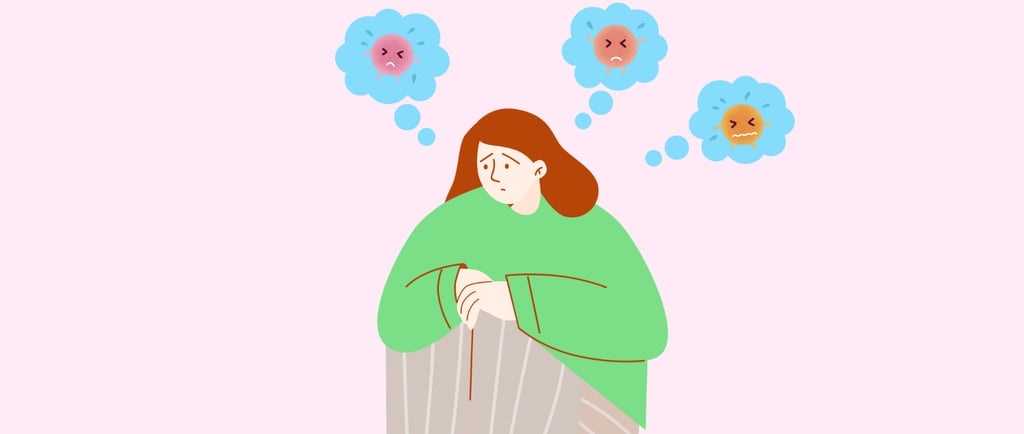
We frequently hear that poor nutrition, overuse of antibiotics and antacids can harm our microbiota; however, psychological and emotional stress also play a significant role. Dr. John Alverdy, a researcher at the University of Chicago, discovered four phenotypes that illustrate how our microbiota react to varying levels of stress and nutrition.
Chronic-colonizing Phenotype:
Under normal conditions, the microbiota is separated from the mucosa or gut lining by thick mucus coat.
Self-protection Phenotype:
In mild stress conditions, the mucus coat is partially eroded, allowing the microbiota to create a protective biofilm on top of the mucus coat.
Nutrition-obtaining Phenotype:
In conditions of stress with poor nutrition, when microbiota can’t feed on luminal nutrients, it attaches to and feeds off the enterocytes.
Barrier-dysregulating Phenotype:
In conditions of extreme stress and poor nutrition, the microbiota invades the enterocyte, leading to alteration of intestinal permeability and immune function.
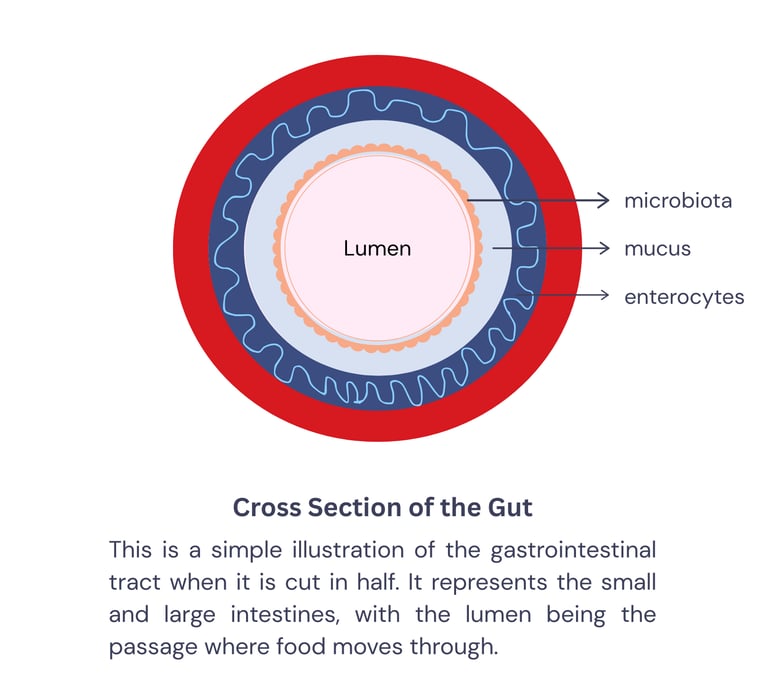
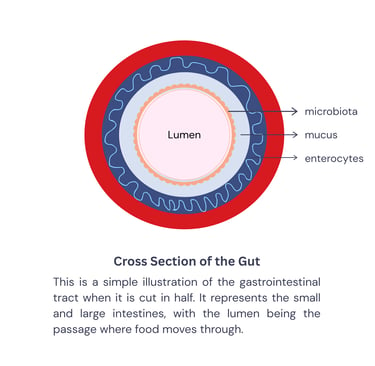
The study helps us understand the significant effect of stress in our life. It shows that stress is not just a mental issue; it directly affects our microbiota. Understanding this is crucial because our microbiota actively influences and reprograms the functioning of our human genes. Since each day comes with its own stresses, learning how to manage them effectively is essential.
DaVeganry
Empowering your health through holistic functional medicine.
DaVeganry
Stay Updated
daveganry@gmail.com
© 2025. All rights reserved.