
How do Caffeine and Energy Drinks Affect Bone Health
Nutrition is an important factor in maintaining bone health. A balanced calcium–phosphorus ratio in your diet is essential for preventing bone loss. Excessive intake of caffeine and energy drinks can disrupt this ratio.
NUTRITION
Sheryl Aguelo
5/18/20262 min read
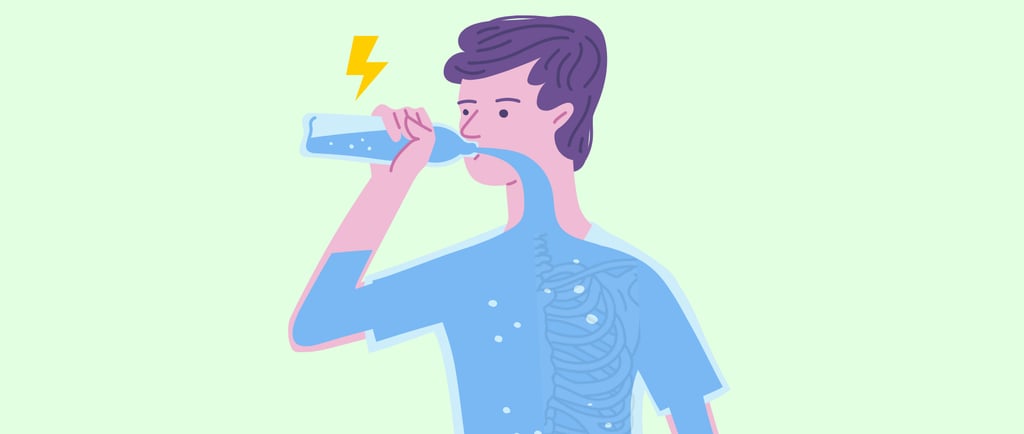
Caffeine is commonly found in beverages such as coffee and cola. An 8-ounce cup of coffee typically contains at least 95 mg of caffeine, while a 12-ounce serving of cola provides approximately 30 mg. High caffeine intake can reduce intestinal calcium absorption while simultaneously increasing urinary calcium excretion, suggesting that excessive consumption can contribute to bone loss over time. Intake of 330 mg or more of caffeine per day (approximately four cups of coffee) has been associated with an increased risk of bone fragility and fractures.
Energy drinks and other carbonated drinks commonly contain high levels of caffeine and phosphoric acid. Excessive phosphorus intake has been linked to increased bone loss, as it can disrupt the tightly regulated calcium–phosphorus balance, ideally maintained at a ratio of approximately 10:4. Frequent consumption of energy drinks can therefore increase the risk of developing osteoporosis.
For instance, a pastor from our church who reportedly passed away after frequently consuming Cobra energy drink. According to a church announcement, he had a bone-related condition that was identified as a contributing factor to his death. On the same day, his driver who also reportedly consumed energy drinks almost daily, died only a few hours later.
What to Do
Avoid or limit consumption of caffeine, energy drinks, and carbonated beverages. A safer approach is apple and ginger juice daily to help boost your energy levels. I personally consume apple and ginger juice 4 to 5 times a week, and it has genuinely boosted my energy levels. Additionally, engage in regular exercise and ensure you receive sufficient sleep.
If you're not getting enough sleep at night, consider taking a nap. The best time for a nap is on an empty stomach, ideally before lunch. Just 15 minutes of nap during the day can be equivalent to 45 minutes or more of sleep at night. According to Dr. Hulda Clark in her book The Cure for All Diseases, taking 500 mg of arginine in the morning and another dose before lunch can serve as a caffeine alternative. While B vitamin supplements can support energy indirectly, I personally find that taking B complex gives me an energy boost. I don’t take them every day now, especially since I was cured of my dysmenorrhea.
Final Thoughts
People commonly consume caffeine and energy drinks for energy. Try to limit if you can’t avoid these. Consider juicing fruits and vegetables that can boost your energy levels and exercise before taking supplements. It's also recommended to consult your doctor if you are taking other medications, if you're thinking about trying energy-boosting supplements like arginine.
Sources:
Natural Remedies Encyclopedia by Vance Ferrell
Wardlaw’s Contemporary Nutrition: A Functional Approach by Smith, Collene, and Spees
DaVeganry
Empowering your health through holistic functional medicine.
DaVeganry
Stay Updated
daveganry@gmail.com
© 2025. All rights reserved.